
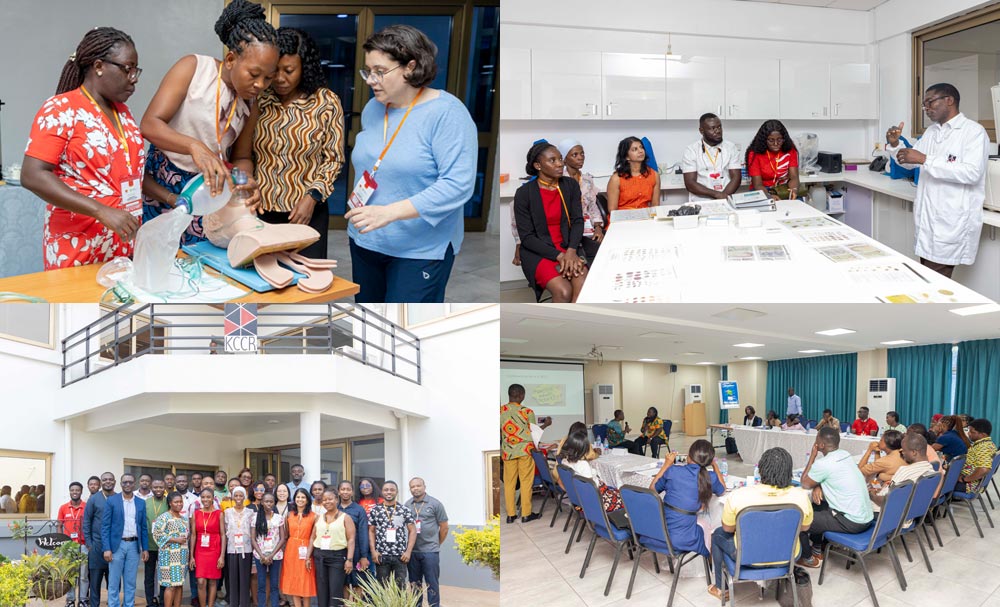
The Africa Health Collaborative at the Kwame Nkrumah University of Science and Technology, Kumasi (KNUST), in partnership with the University of Toronto, has successfully completed training for the first cohort of participants under its Emergency Preparedness (EMPRESS), Community Emergency Care (CEC), and Palliative Care programmes in its fourth year of implementation.
The five-day EMPRESS and CEC programmes, alongside a four-day Palliative Care course, form part of the Collaborative’s broader strategy to strengthen health systems across Africa through targeted capacity building, leadership development and sustained international academic collaboration.
The trainings brought together frontline health professionals from across Ghana, equipping them with advanced competencies in emergency response, trauma management, poison control and holistic palliative care delivery.
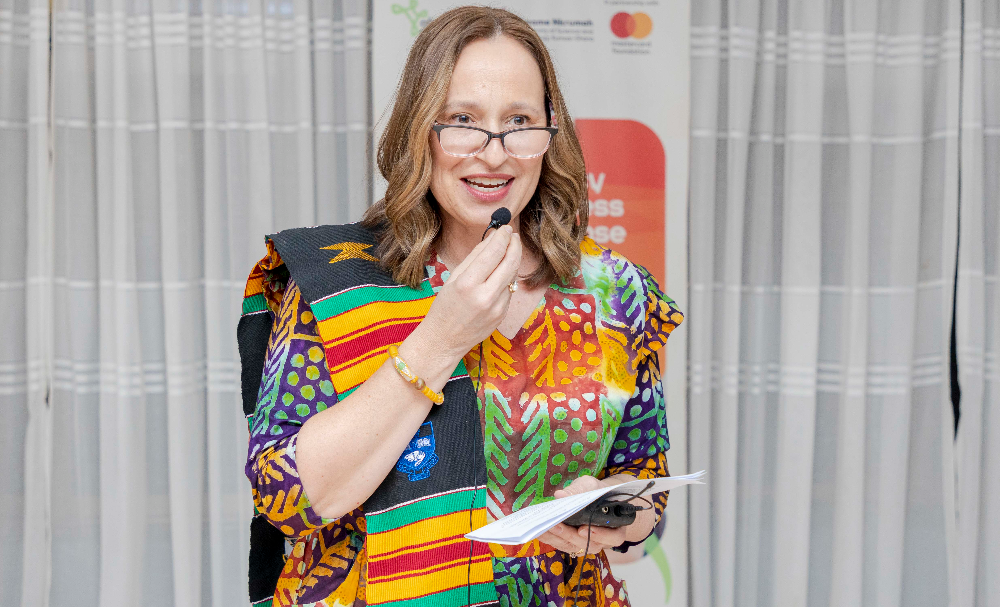
Delivering her remarks, Dr. Jennifer Wilson, University of Toronto Lead for the programme, underscored the ethical and professional responsibility inherent in healthcare practice, urging participants to approach their vocation with renewed commitment and integrity.
Reflecting on her first visit to Ghana two decades ago, Dr. Wilson recounted working alongside a midwife operating under extremely challenging conditions without electricity, essential supplies or adequate staffing.
“She had no oxytocin for her deliveries. The challenges were immense,” Dr. Wilson recalled. “When I asked her how she continued despite the difficulties, she told me something I have never forgotten: ‘To care for the sick is the highest calling.’”
She encouraged participants to carry that conviction into their respective facilities, emphasising that clinical competence must be grounded in compassion, integrity and responsibility.
Participants described the programmes as intensive, practical and immediately applicable to their professional contexts.

Ms. Eunice Arthur-Sam, a Junior Nurse at Nyaho Medical Centre’s Neonatal Intensive Care Unit, said she enrolled in the Palliative Care course with the objective of strengthening patient-centred support.
“I expected to learn how to better address the fears and anxieties of palliative patients and to provide them with quality care that enables them to live fully,” she said.
Despite the short duration, she reported significant gains in clinical communication, psychosocial support, spiritual care considerations and pain management strategies. She pledged to cascade the knowledge to colleagues who were unable to participate, reinforcing what organisers describe as the programme’s multiplier effect within healthcare institutions.
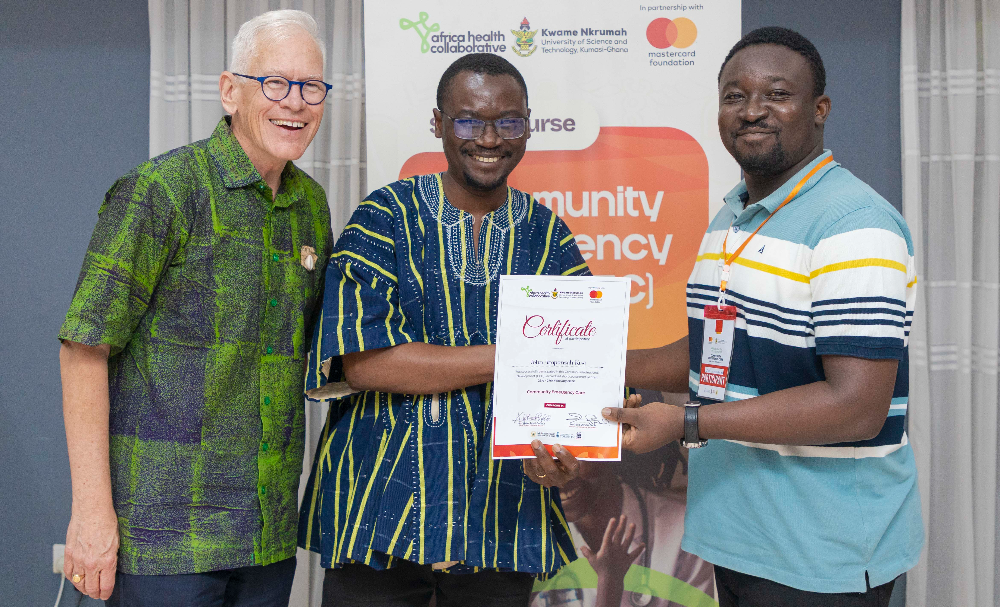
From the Community Emergency Care training, Mr. John Amponsah Kusi, a Physician Assistant at Presbyterian Health Centre in Enchi, described the course as transformative to his trauma management approach.
“Previously, I did not know that in trauma cases, bleeding must be controlled before proceeding with the primary survey of Airway, Breathing, Circulation and Disability,” he explained. “This knowledge will significantly improve how we manage trauma cases at our facility.”
He also cited enhanced understanding of poison management protocols and the importance of appropriate antidote procurement, noting his intention to advocate for essential supplies upon his return.
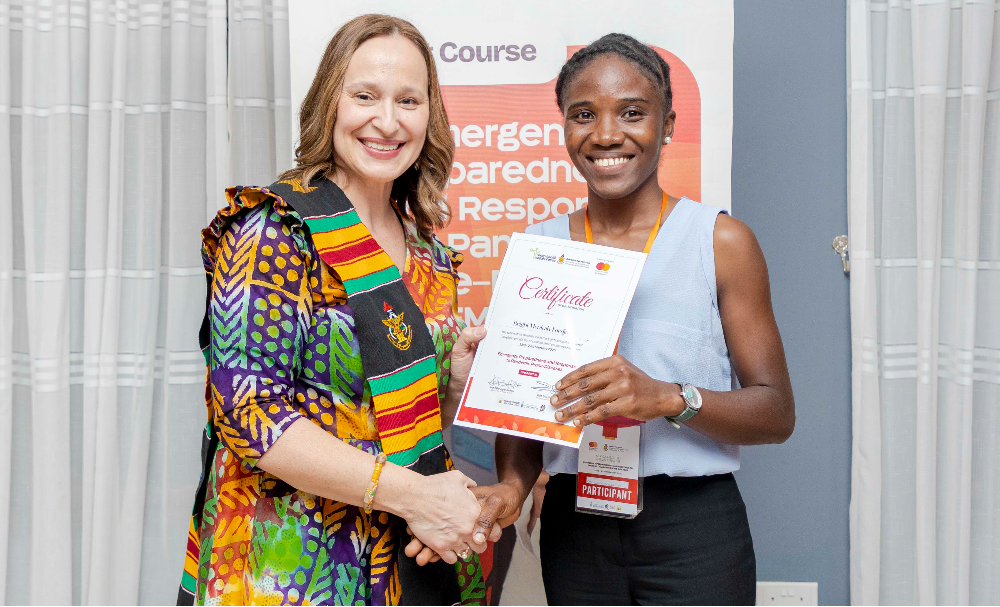
Similarly, Ms. Charway Bridget Naa Odoley, a nurse at Salvation Army Clinic in Begoro, stationed at Begoro Presbyterian SHS, described the EMPRESS training as a critical shift in her understanding of outbreak preparedness.
“Before attending, my knowledge of preparedness was limited to basic infection prevention and reporting,” she said. “Now, I understand my vital role in surveillance and risk communication.”
She added that her improved capacity in risk communication would enable her to engage communities proactively, not to create fear, but to promote informed participation in breaking chains of infection and strengthening outbreak response.
By: Emmanuel Offei


